Relocation Astrology
Urban Relocation: How to Keep Your Home Healthy and Balanced
Dr S Pujah · 21 September 2026
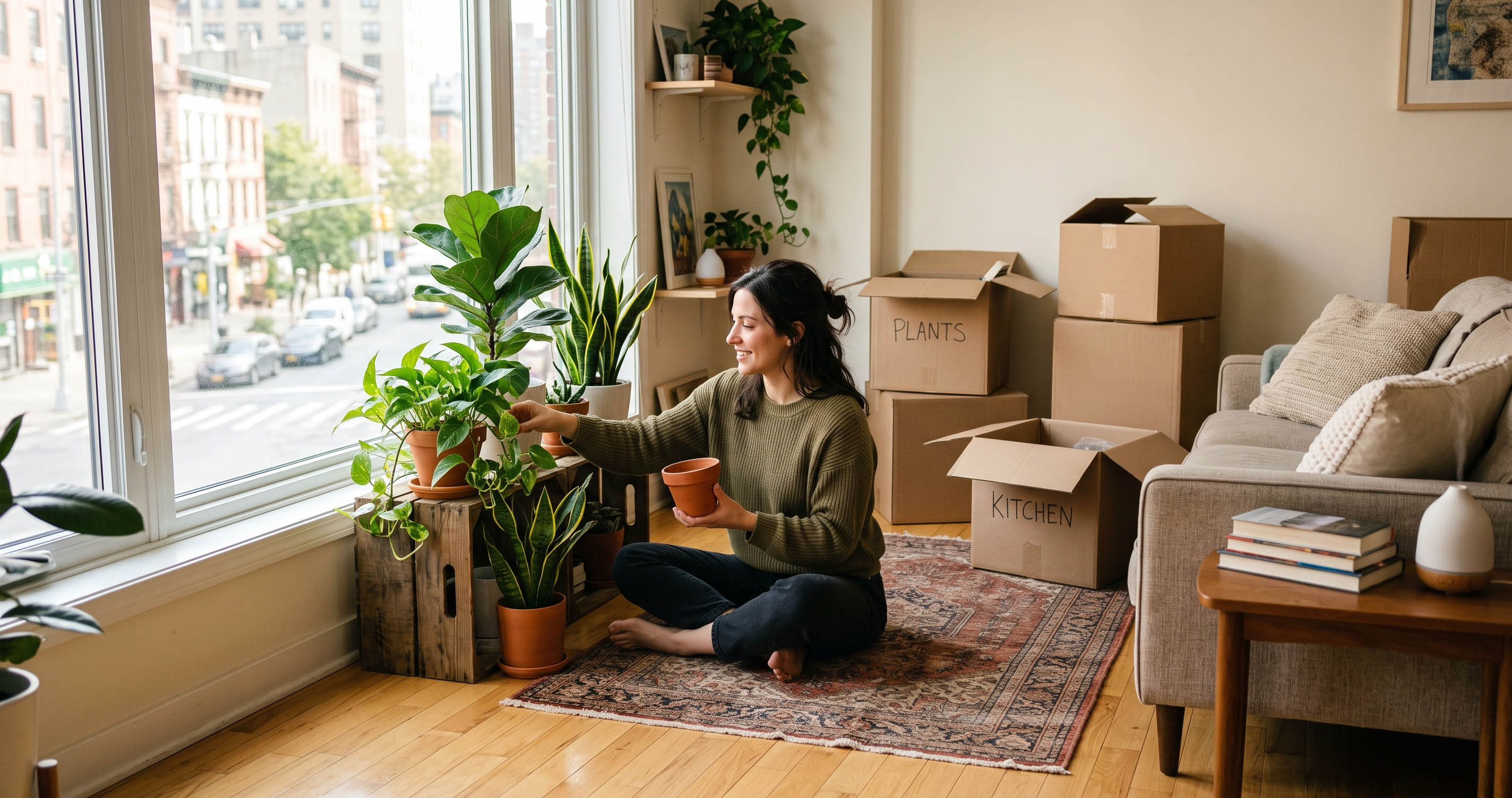
The shift to an urban area opens many doors towards opportunities, from career development to diversified cultural exposure. Shifting to metropolitan living presents some hitches particular to city living alone, especially in keeping up a healthy and well-balanced home environment. Hustle and bustle, air pollution, noise, and lack of space can pressurize a person and influence their well-being. Fortunately, this will require only a little conscious planning, and several smart strategies to turn your urban dwellings into an oasis of health and balance.
Make Air Quality Top Priority
One of the most serious issues of urban living deals with air quality, with roads filling up with belching fumes from all manners of transportation, industrial pollution prevalent, and slim areas of greenery. However, indoor air-quality improvements greatly offset respiratory issues and other major health concerns.
Recommendations to improve air quality:
Invest in air purifiers containing HEPA filters that purify the air by eliminating pollutants and other bad elements. Place them in those important areas of your house, such as a bedroom or living room, to ensure fresh breathing for you.
Indoor Plants Add to It: Houseplants help in absorbing noxious fumes and synthetic chemicals, releasing oxygen; these plants include spider plants, peace lilies, snake plants, among others. Adding greenery will add to the beautification of your space while also helping in having a better mental relaxation.
VENTILATE REGULARLY: It is not only in the countryside, but even in a city also one should let fresh air enter into the house. Many a times early morning or late night when the outside pollution level is low, one may open the window. An exhaust fan for the kitchen and bathrooms may help to keep the air moving.
NOISE POLLUTION MANAGEMENT
The city life largely means noise-from the traffic to the construction to general urban clamor. Though you can't do away with it altogether, here are ways one can minimize the impact of noise and hence have a more peaceful environment indoors.
Tips to Reduce Noise Pollution:
Soundproofing: Heavy curtains, rugs, and soundproofing material block out the noise coming from outside. Soft furnishings absorb sound and reduce the echo inside your home.
White Noise Machines: These machines are built to mask distressing sounds and neutralize fatiguing noises. They are useful in improving the quality of sleep.
Double-Glazed Windows: Though they may be a little more costly, double-glazed windows always do a great job of filtering out city noises. Think of it as an investment in health as well as comfort in your home in the future.
Maximize Natural Light
Most cityscapes fill up with tall buildings blocking out the sun, making interiors truly bleak and stuffy. Indeed, natural light controls mood, productivity, and sleep patterns.
How to Increase Natural Light in Your Space:
The use of light-colored decor will go a long way in reflecting sunlight into your space. Using heavy drapery in dark tones is a no-go, because this absorbs so much light. In their place, use sheers, which filter in light without sacrificing your privacy.
Strategic Mirror Placement: Place mirrors directly across from the windows to reflect and amplify the natural light within the room. That trick alone can work wonders in opening up and making the room feel airy.
Declutter the Windows: Make sure no large furniture or heavy decoration blocks your line of view from the window. A clear window allows the sun to flow into your space with ease.
Create an Indoor Green Oasis
In cities, you can be denied broad exposure to open green areas. That is all right; indoor gardens allow you to be in nature for your health benefit. A number of studies have demonstrated that proximity to plants tends to reduce stress levels, sharpen concentration, and enhance well-being.
Bringing Greenery Indoors: Some Ideas
Vertical gardens or hanging planters would be helpful if the space used seems constraint. These save the area on the floor while adding an active touch of nature to your walls.
Growing an indoor herb garden with basil, mint, and rosemary cultivates some green in your space. Moreover, this will give you fresh ingredients to cook with and will add beauty to your home. Place them on your windowsill for accessibility and sunlight.
Low-Maintenance Plants: If you're on a busy city schedule, a succulent or the ZZ plant will require the least attention and care for the many benefits of air quality improvement and soothing ambiance.
Minimize EMF Exposure
Seeing the rate at which electronic equipment has gone in and stays in urban homes, one must be careful with managing exposure to electromagnetic fields. Devices used at every step of life-starting from Wi-Fi routers, smartphones, computers-interfere with sleeping patterns and hence bring stress through their usage.
Some of the ways through which this can be avoided:
Turn Wi-Fi routers and all electrical devices on only when needed and unplug them at night. In this case, it can minimize the exposure to EMF even during night time as well when you are sleeping.
Remove Electronics from Bedrooms: Make your bedroom gadget-free; avoid using phones, laptops, and even TVs in a bedroom. Instead, it's meant for rest and sleep sans excess gadgets.
EMF Shields: An electromagnetic field shield can be used to reduce the stress of electromagnetic fields on the body, which includes phone cases and bed canopies.
Declutter for Clarity and Calm
Any urban setting brings with itself its share of living spaces, which are easier to clutter up than they are to clean up. As space is cluttered, so is the mind; focus, unwinding, serenity-all get jumbled up in a heap.
Decluttering Strategies:
Less is more: In a modern city house, don't keep anything that isn't of value to your life. Regularly clean out cluttered areas; one should not have items in his life that he does not need.
Invest in multi-functional furniture: Take advantage of furniture that can double for storage, like ottomans or beds with drawers built into them. This way, you can store stuff nicely without using more space.
Clean Up/Organize Regularly: Try setting aside a few hours each week to clean and organize your space. Keeping things organized will make you feel less overwhelmed by being in the house, adding to a more peaceful ambiance.
Practice Mindfulness in Your Space
A healthy home isn't just about the physical aspect of your environment; it also pertains to the energy and mindset one brings into that environment. By cultivating mindfulness in your life, stress can be greatly reduced, inner peace promoted, and conditions of a positive atmosphere created.
Mindfulness Activities to Incorporate:
Mindfulness Meditation Corner: Make one small, quiet nook in the house where you sit down and meditate or have quiet times. Place comfortable cushions around you with soft candles and other soothing elements to invite you to let go and rejuvenate.
Aromatherapy: Commonly recommended essential oils for inducing a relaxed atmosphere include lavender, eucalyptus, and camomile. Use them either with a diffuser or apply a few drops onto your pillow before sleep.
Cleaning with mindfulness: Let daily household chores be your mindfulness exercises. Do only one thing at a time, like sweeping the floor or washing dishes. All of this builds better relations with the home and a sense of calmness.
Conclusion
It is not necessary to be bound with city construction and give up a healthy, properly aligned living space. You can deliberately design your home as a refuge where good health-both physical and mental-is nurtured. Improvement in the quality of air, reduction of noise, admittance of natural light, and incorporation of greenery-all this builds up the ambient atmosphere that one requires for relaxation and rejuvenation. City homes can therefore be oases of peace and equipoise amidst hustle-bustle, through mindfulness exercises coupled with judicious organization.
Go one rung deeper: Geo 7 Spaces Method — https://spujah.com/books. The method itself is explained at https://spujah.com/geo-7.