Stress Management
Effective Stress Management Techniques for Daily Life
Dr S Pujah · 28 September 2026
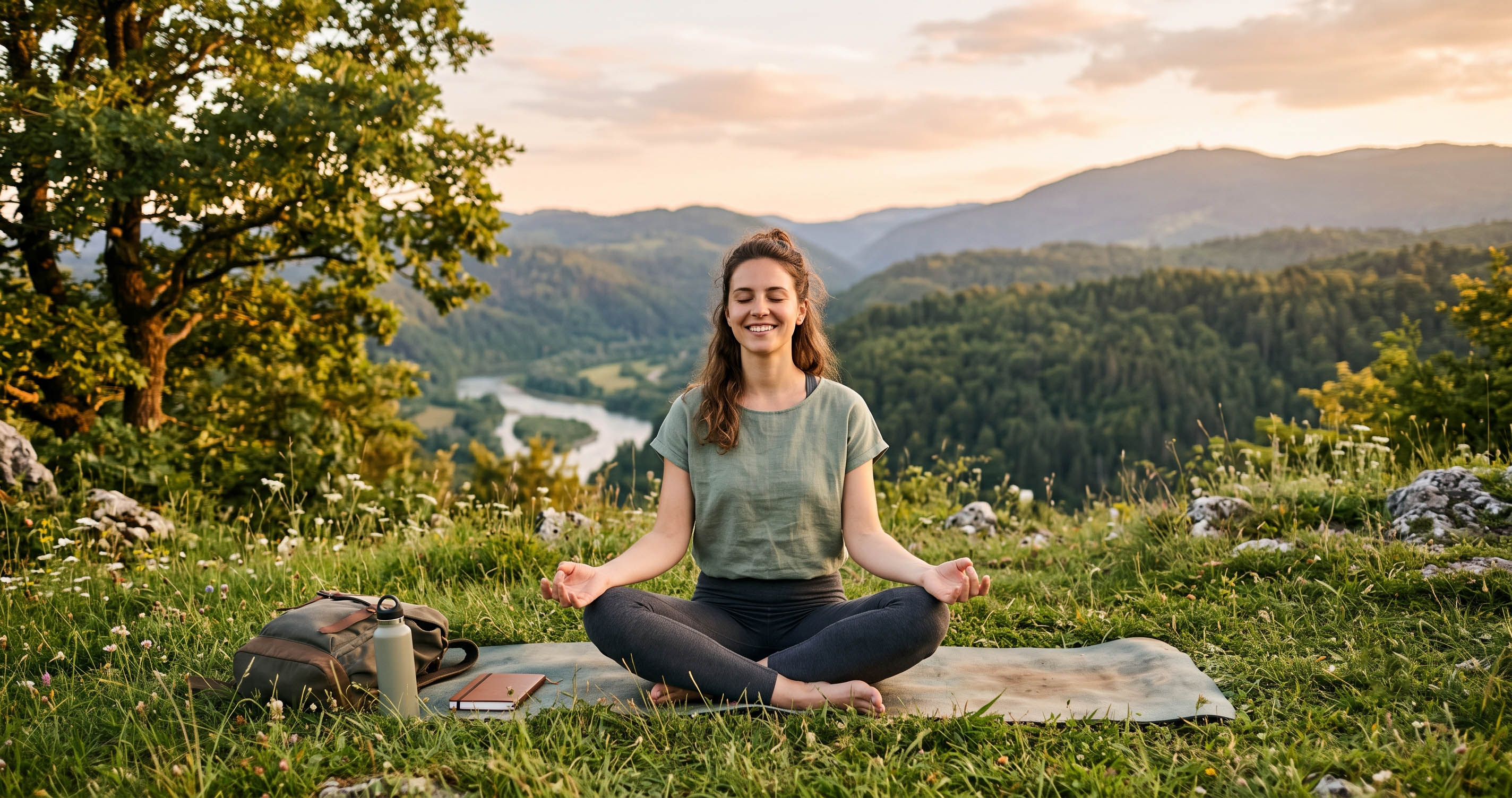
The most effective stress management techniques for daily life are simple and repeatable: slow breathing, regular movement, a few minutes of mindful attention, a steady evening routine, clear boundaries on your time, time with people you enjoy, and a home that feels settled. None needs special equipment. The key is doing a few of them consistently rather than all of them occasionally.
Pressure is part of modern life. Work deadlines, family responsibilities, money decisions and a to-do list that never quite ends are familiar to almost everyone, whether you live in Dubai, Jakarta or Chicago. Some pressure is useful — it sharpens attention before a presentation or an exam. The difficulty comes when it never switches off, and one busy week runs straight into the next.
The aim is not to remove pressure from your life. It is to build a daily rhythm that gives you somewhere to put it down.
1. Slow breathing: the technique you can use anywhere
When pressure rises, breathing tends to become fast and shallow. Slowing it down is one of the quickest ways to change how the next few minutes feel.
- Sit or lie comfortably somewhere quiet.
- Breathe in gently through your nose for a count of four, letting your belly expand.
- Pause for a moment.
- Breathe out slowly for a count of six.
- Continue for three to five minutes.
The longer out-breath is the part that matters most. Use it before a difficult call, in the car before walking into the house, or in bed at night. In the yogic tradition, slow breathing of this kind is a foundation of pranayama practice.
2. Movement: give the day somewhere to go
Stress management techniques often overlook the simplest one: move. Physical activity gives the mind a break from problem-solving and uses up restless energy.
- A walk outdoors, ideally somewhere green or near water.
- Yoga or gentle stretching at the start or end of the day.
- Dancing or a cardio session when you feel wound up.
- Strength training, which many people find builds a sense of steadiness and confidence.
Ten minutes counts. In the Gulf summer, a walk in a mall, a stairwell or an early-morning session before the heat builds works just as well.
3. Mindful attention: bring the mind back to the present
- The 5-4-3-2-1 exercise. Name five things you can see, four you can feel, three you can hear, two you can smell and one you can taste.
- A body scan. Move your attention slowly from your feet to the top of your head, letting each area soften.
- Three good things. Each evening, write down three things that went well, however small.
Over time, these practices help you respond to a situation rather than react to it.
4. An evening routine that closes the day
- Go to bed and wake at roughly the same time every day, including weekends.
- Put screens away an hour before bed and charge your phone outside the bedroom.
- Choose one calming activity: reading, light stretching, a warm herbal tea.
- Keep the bedroom dark, quiet and comfortably cool.
In Ayurveda, the hours before 10pm are regarded as naturally heavier and slower, which makes them the easiest time to settle. Going to bed within that window is one of the most practical changes you can make.
5. Boundaries: protect your time and energy
- Before agreeing, ask: is this necessary, and is it mine to do?
- Have a gracious "no" ready: "Thank you for thinking of me — I can't take this on right now."
- Block time in your calendar for rest, family and personal interests, and keep those appointments.
Boundaries are not selfish. They are how you make sure your energy goes where you intend it to.
6. Laughter and connection
- Spend unhurried time with people you enjoy.
- Watch or listen to something that makes you laugh.
- Make space for hobbies that absorb you — music, cooking, games, gardening.
7. A home that helps you settle
- Clear the entrance so arriving home feels like a transition.
- Keep work equipment out of the bedroom.
- Use softer, warmer lighting in the evening.
- Open windows for fresh air when the weather allows.
- Create one small corner — a chair, a lamp, a plant — that exists only for rest.
In Vastu, the north-east of the home is associated with calm and clarity, which makes it a natural place for a quiet corner or a few minutes of daily practice.
A sample day using these techniques
- On waking: three minutes of slow breathing before you look at your phone.
- Mid-morning: a short walk between meetings, even if it is only along a corridor.
- Lunch: eat away from your desk, and name three things you can see and hear around you.
- After work: ten minutes of movement to mark the end of the working day.
- Evening: screens away an hour before bed, and three good things written in a notebook.
Choosing the right techniques for you
There is no single right way to manage daily pressure. Choose two or three techniques from this list, practise them daily for two weeks, and notice what changes. Then keep what works and adjust what does not.
Questions people ask
What are the best stress management techniques for daily life?
Slow breathing, regular movement, a few minutes of mindful attention, a consistent evening routine, clear boundaries, time with people you enjoy and a calm home environment. The best ones are those you will actually repeat.
How quickly does slow breathing help?
Many people notice a difference within a few minutes. Breathing in for four counts and out for six, for three to five minutes, is an easy starting point.
How many techniques should I use at once?
Start with two or three. Doing a few consistently works better than trying everything and stopping after a week.
Your next step
If you want to go deeper and build a personal plan for your energy, focus and daily rhythm, the Energy Clarity Workshop takes you through it step by step in one session.