How to Sleep Better
Dosha Harmony in Your Bedroom: Creating a Restful Space
Dr S Pujah · 21 September 2026
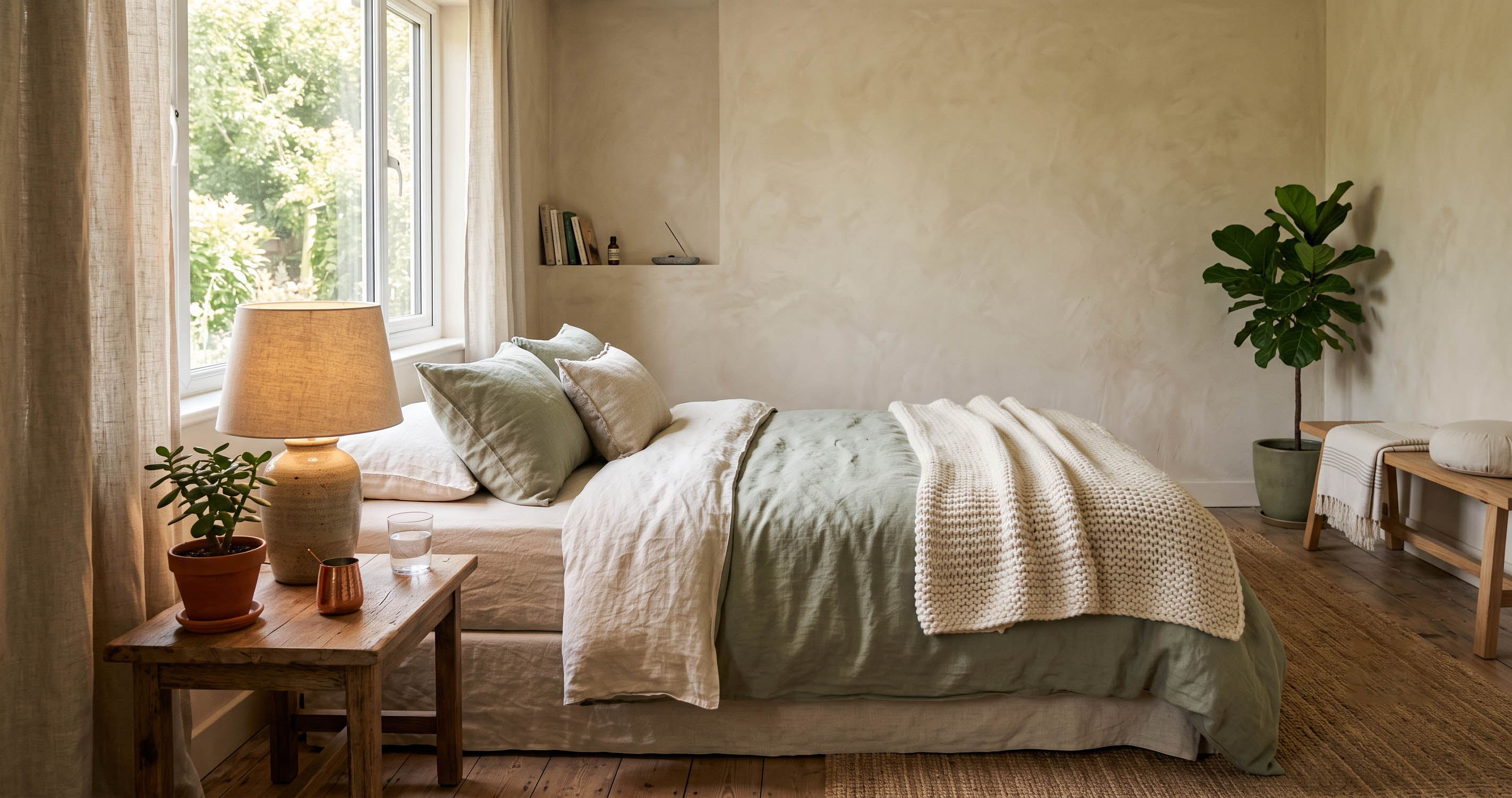
How Dosha Harmony in your space can Improve Your Sleep
In the fast-paced world of today, it is sleep over which we compromise first. Plenty of us lie awake instead, turning over and over, waiting for a deep rest that never quite arrives. As much as disturbed sleep can be caused by one reason or another-stress, living habits, diet-there is one thing from ancient times that can help you sleep more soundly: balancing the energy of your room according to the principles of Ayurveda.
Ayurveda, the over-5,000-year-old Indian holistic system of health, postulates the concept of Doshas. These three elemental energies in our bodies and minds govern the functions through Vata, Pitta, and Kapha. When these doshas are out of balance, this may disrupt the sleep cycle and affect our overall well-being.
The good news is, by tuning the energy of your living space to support your specific Dosha balance, you can significantly enhance the quality of your sleep. In this blog, we'll explore the concept of Dosha harmony and share practical tips on how you can create a sleep-friendly environment tailored to your Dosha needs.
Understanding the Three Doshas
To understand how to balance your space better, it's good to first understand what each Dosha represents and how they influence our sleep.
Vata: This Dosha is composed of air and ether elements and controls movement, communication, and creativity. Individuals with a dominant Vata Dosha are usually light, airy, and quick-moving. They may be restless, anxious, and have an overactive mind, which may interfere with their ability to sleep at night.
Pitta: Fire and water combine to make Pitta the captain of metabolism, digestion, and transformation. The Pitta constitution is sharp, intense, passionate, and driven. When unbalanced, Pitta types may be hot-headed, frustrated, and sleepless with their overactive minds and bodies.
Kapha: Kapha is a combination of earth and water and thus provides structure, stability, and nourishment. The Kapha constitution is generally calm, steady, and grounded. When Kapha is imbalanced, lethargy, heaviness, and not wanting to get out of bed may make a regular sleep pattern very challenging.
How Dosha Harmony Affects Your Sleep
The balance of your Doshas in your body directly impacts your sleep patterns. When your Doshas are in harmony, you’re more likely to experience restful, rejuvenating sleep. When they are out of balance — a demanding week, late meals, or the room itself — sleep tends to arrive late and break up through the night.
That is where creating a Dosha-friendly space comes into play. Design your environment to calm down, soothe, or energize certain Doshas, depending on what acts positively for you, hence creating an atmosphere that calls for the right type of sleep according to your constitution.
Practicing Dosha Harmony in Your Space for Better Sleep
Now that you understand the Doshas, let's delve into some practical ways of aligning your living space with the elements of nature to support your sleep.
For Vata-Dominant Individuals: Grounding, Comfort, and Warmth
The vata individual has a very active mind which keeps them disturbed with thoughts even at night. The sleeping environment should be able to provide an infusion of stability, warmth, and comfort to such a person. Here's how:
Colors: Soft, warm earthy tones-beige, soft yellow, warm red, and earthy browns-pacify the Vata energy. Avoid loud, stimulating colors that disturb the airiness of Vata, such as electric blues and neon greens.
Furniture and Layout: The solid, heavy furniture will add to the sense of stability in your space. A solid and heavy bed with thick, plush mattresses is just what one would want to create relaxation and coziness.
Textures and Fabrics: Use soft, warm blankets and plush pillows; other tactile materials include wool, cotton, or silk. This is in respect to warmth, both physically and emotionally. Light: Dimness in the light is absolutely necessary for unwinding. Apply soft, warm lighting or even Himalayan salt lamps to create serenity. Stay away from those sharp artificial lights because they increase the stimulation of your mental faculties.
Sound: A quiet, serene background is essential for the pacification of the nervous system. If you happen to be in a noisy area, a white noise machine or simply a fan or ocean waves/rainfall sounds could be very helpful.
For Pitta-Dominant Individuals: Coolness, Calm, and Balance
People with dominant Pitta have much drive and may be easily disturbed at night by excess internal heat and mental activity. A cooled environment and a soothing atmosphere can only reduce stress and help sleep.
Colors: Cool, soothing colors-like light blues, greens, and soft whites-can help soften up the space by taking off some of that intensity and heat. These are the colors that will create a soothing effect for the fiery nature of Pitta.
Furniture and Layout: Soft and curvaceous furniture with smooth contours will not make a space too edgy or even aggressive. Keep it very simple and avoid clutter that would feed Pitta.
Textures and Fabrics: Light, airy fabrics perfect for Pitta include linen and cotton. These types of fabrics provide a cooling element and allow great airflow to pass through them.
Lighting: Utilize gentle, natural lighting and avoid any extreme lighting with things like LED bulbs, which can ignite the fire aspect. Candles bearing a light cooling scent, such as lavender or sandalwood, can calm down Pitta's intensity at the same time. The gentle sounds of instruments or nature play, like air moving or brooks babbling, calm the body and mind; loud, aggressive-sounding music feeds the fire further in Pitta and upsets an already inflamed constitution.
Kapha-Dominant: Energizing, Invigorating, and Uplifting
The sleep of the kapha types is deep; however, often the getting up in the morning is very slow and lethargic. Thus, in infusing some balance into one's space and building an energizing environment, one may want to consider:
Colors: Utilize bright, upbeat colors like yellows, oranges, and bright greens to stir energy and movement; this will lighten the heaviness of Kapha imbalances.
Furniture and Layout: Avoid heavy furniture or very bulky pieces. Lighter, airier furniture promotes space and, subliminally, movement. Go for a more minimalist approach to avoid the feeling of being weighed down.
Textures and Fabrics: Use light, airy fabrics like cotton and linen that will keep the atmosphere fresh. Avoid thick and heavy blankets, which will add to the feeling of stagnation.
Light: Bright and natural light is needed for an energizing wake-up. Letting sunlight come in during daytime, or the application of white lighting that could resemble sunlight at a greater percentage during the morning, does help-always switch over to soft warm lights that whisper to your body that this is night time.
Sound: Uplifting sounds, such as energizing music or nature, like the chirping of birds or the breeze in the morning hours, will make the Kapha types more energized and ready to rise. Avoid overly soothing sounds that could put them back to sleep.
Conclusion: The Power of Dosha Harmony in Your Sleep Space
Creating a space that aligns with your Dosha not only fosters physical and mental well-being but can be the key to achieving restful and rejuvenating sleep. Whether you’re trying to calm an anxious mind, cool an overheated body, or energize a sluggish spirit, your environment plays a crucial role in maintaining balance and harmony.
By carefully designing your space according to your special Dosha, you create an environment that nurtures both body and mind, rendering sleep a truly restorative experience. So, take into consideration the elements that support your Dosha type and begin creating a bedroom that's conducive to deeper, more peaceful rest. Sweet dreams when your space works with, not against you.
Go one rung deeper: Aromatherapy Chakra Petal Guide — https://spujah.com/books. The method itself is explained at https://spujah.com/aromatherapy-chakra-guide.